The Iron Lady
Built as a twenty-year exhibition gate in 1889, hated by the artists of its day, saved by a radio antenna — the full story of how the tower happened.
Read the landmark studyThree hundred metres of riveted iron, raised for a world's fair and kept by a city that learned to love it. This notebook begins where Paris does — at the tower — and follows its stories down into the streets, the seasons and the customs of celebration below.
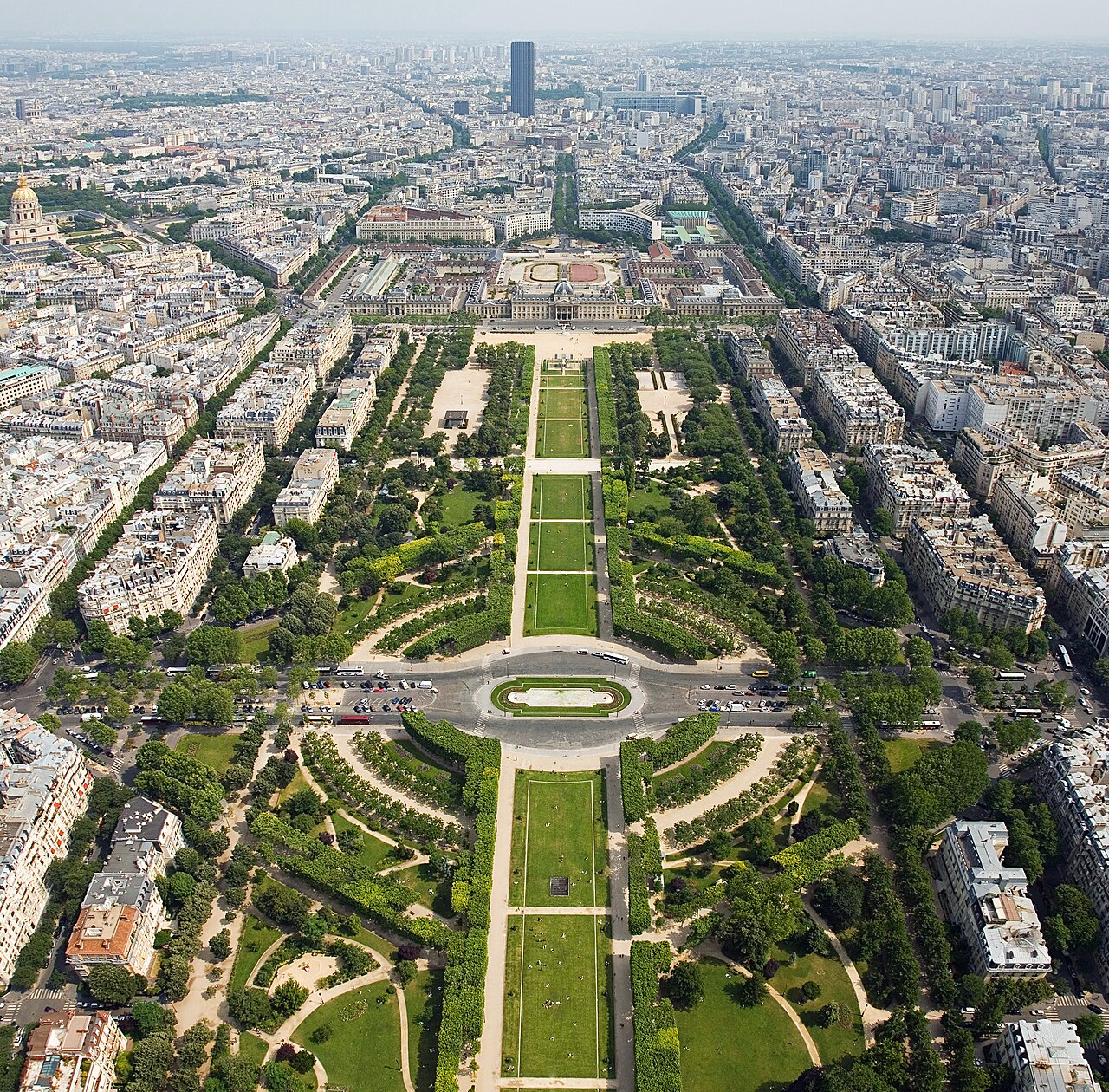
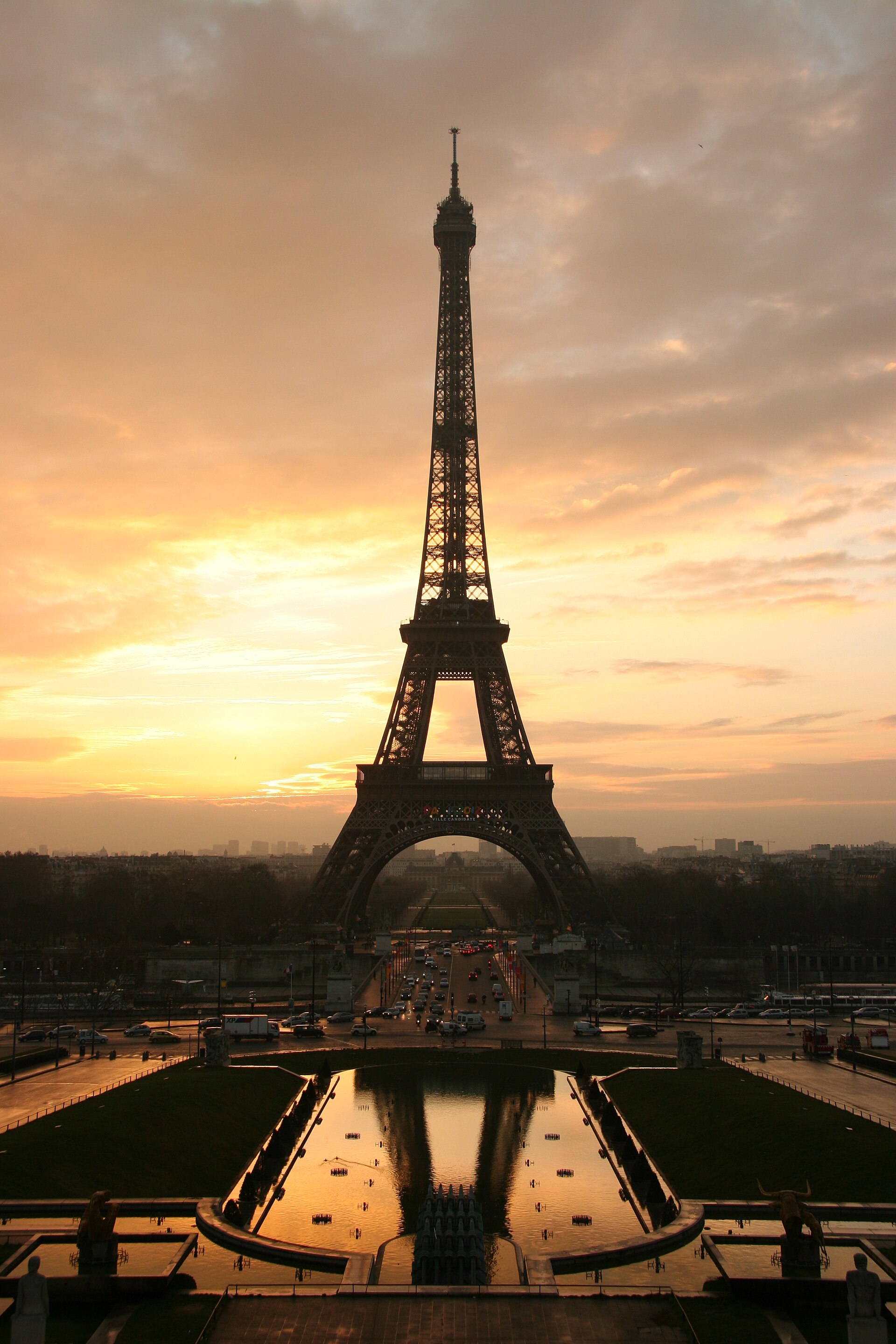 Photo: Tristan Nitot / CC BY-SA 3.0
The tower arrived in 1889 as the entrance arch of a world's fair — and as a scandal. Artists signed petitions against it; the city granted it two decades and no more. It stayed because it proved useful: first as the tallest flagpole in Paris, then as the highest radio antenna in Europe.
Today the iron lattice carries seventy-two names of French scientists above its arches, sways a few centimetres in the wind, grows taller in summer heat — and glitters on the hour, every evening, whether anyone is watching or not.
From the builders' scaffolding of 1888 to sunrise over the Trocadéro — the monument as it looks from below, beside and above.
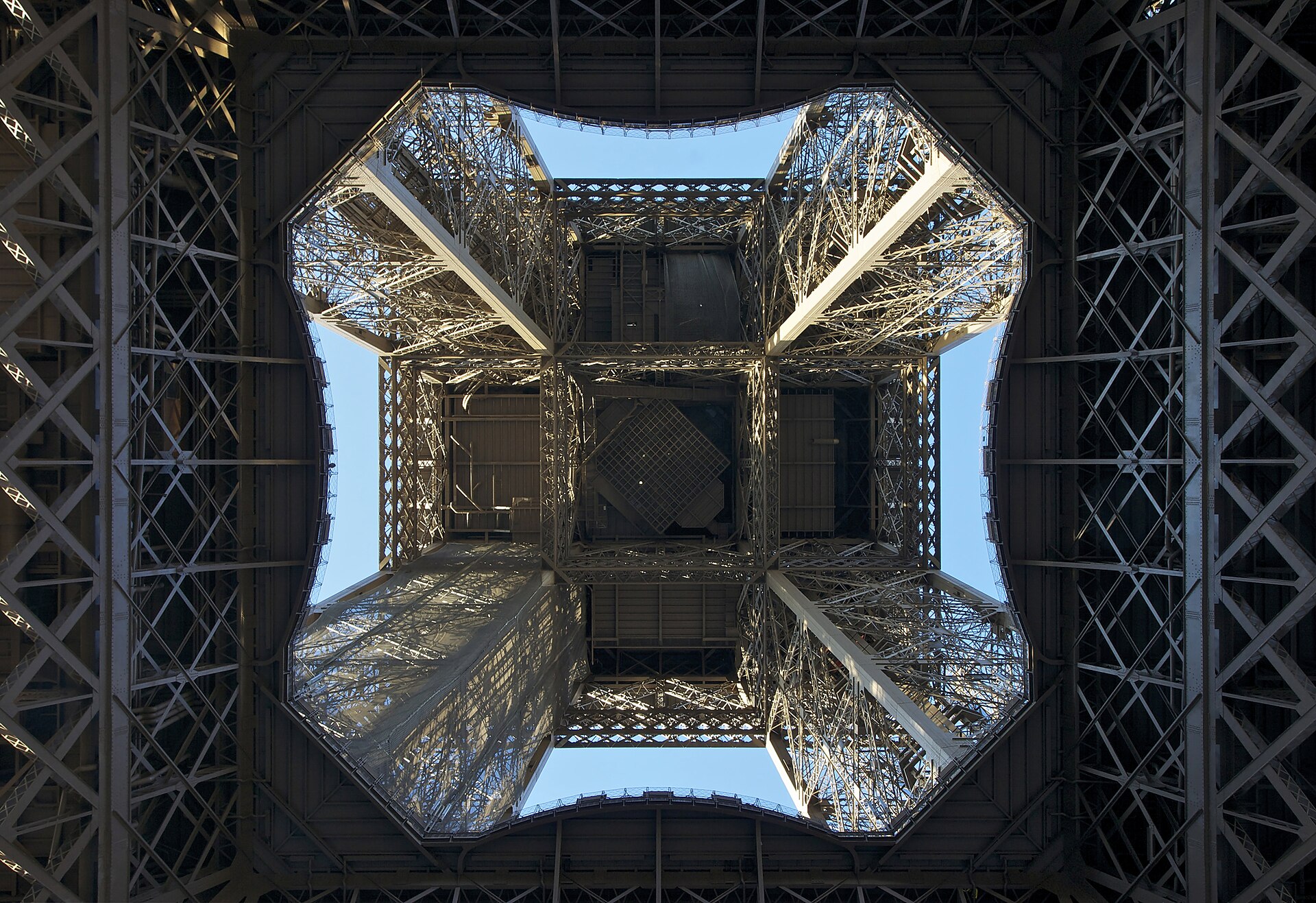
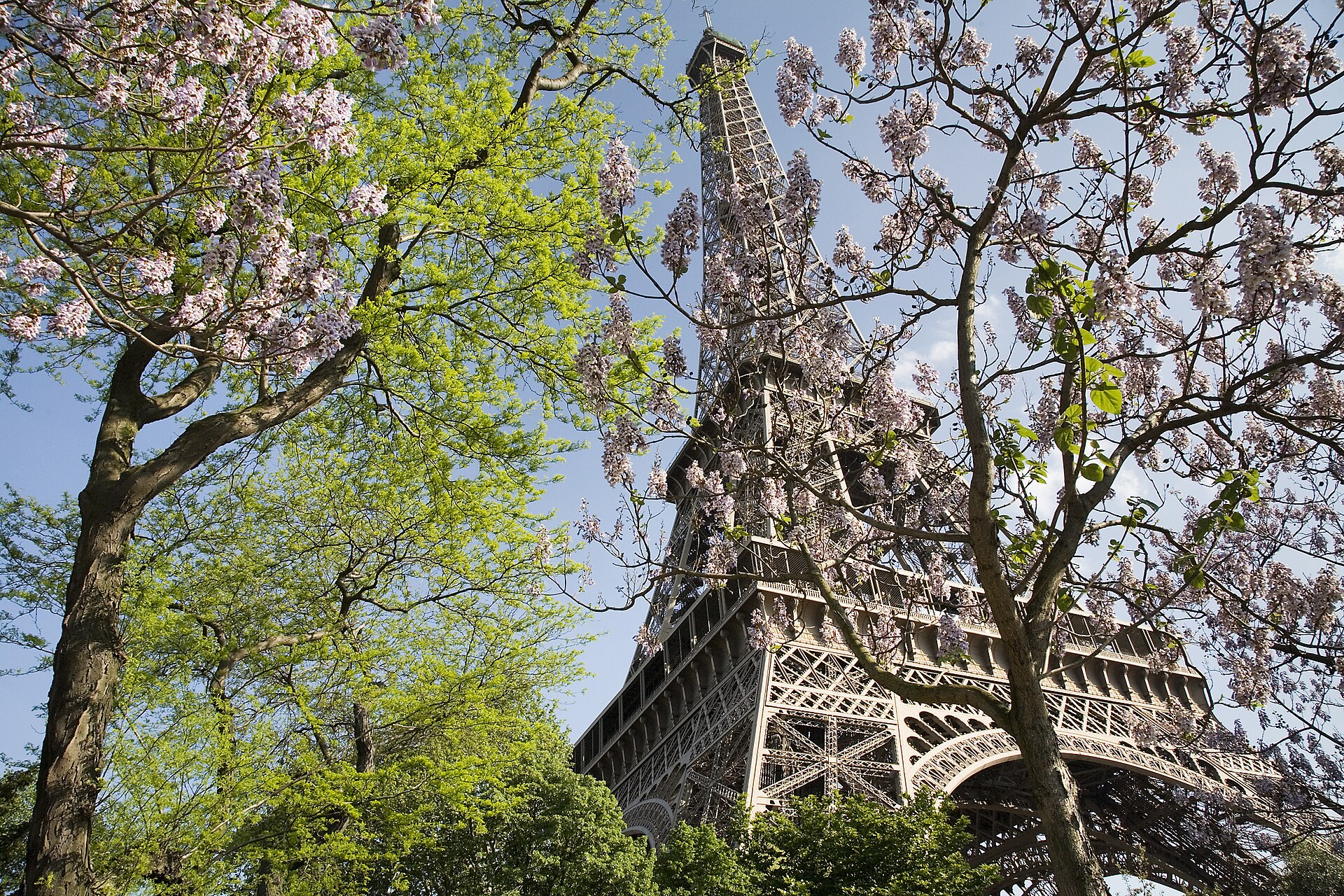
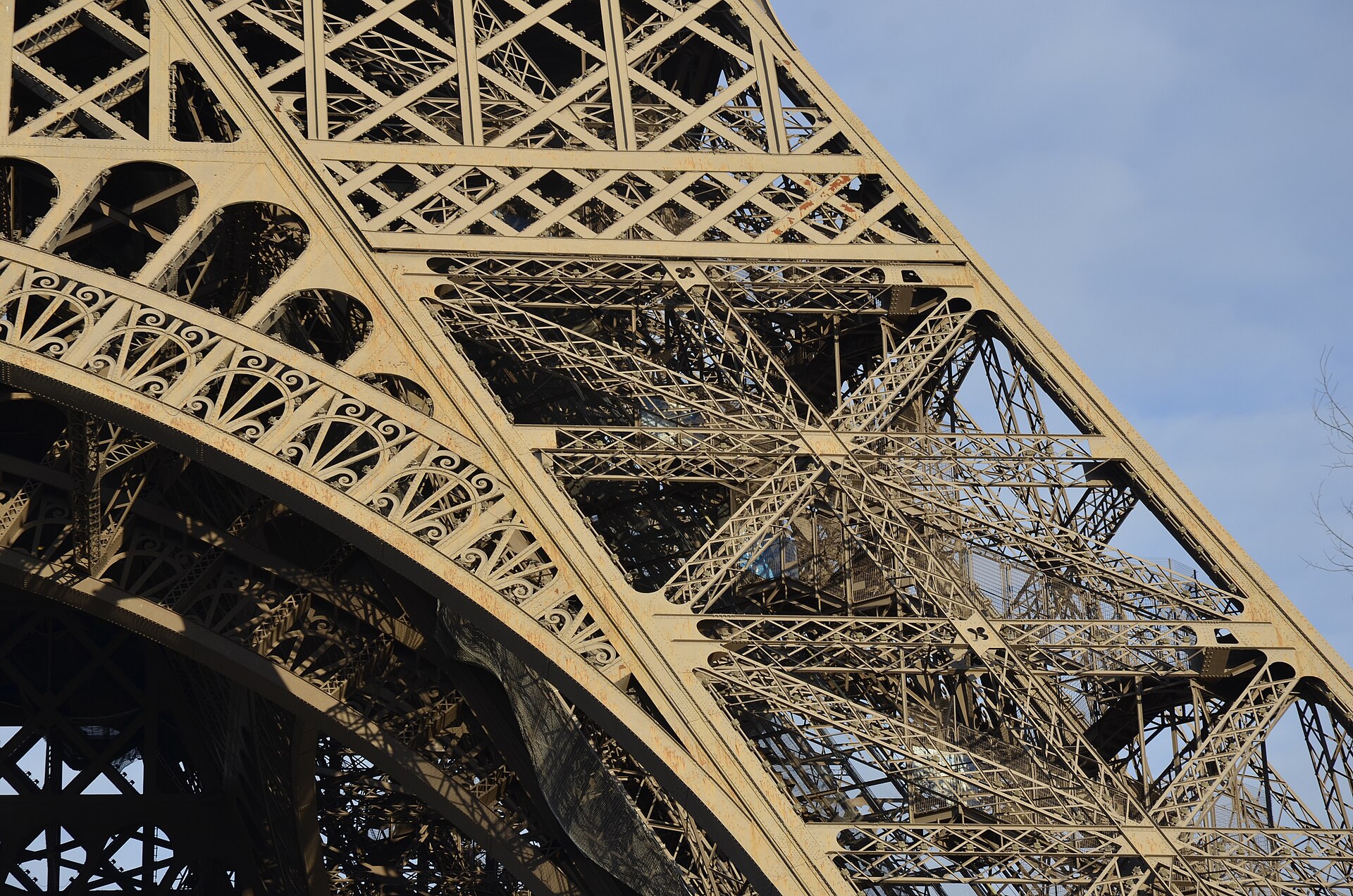
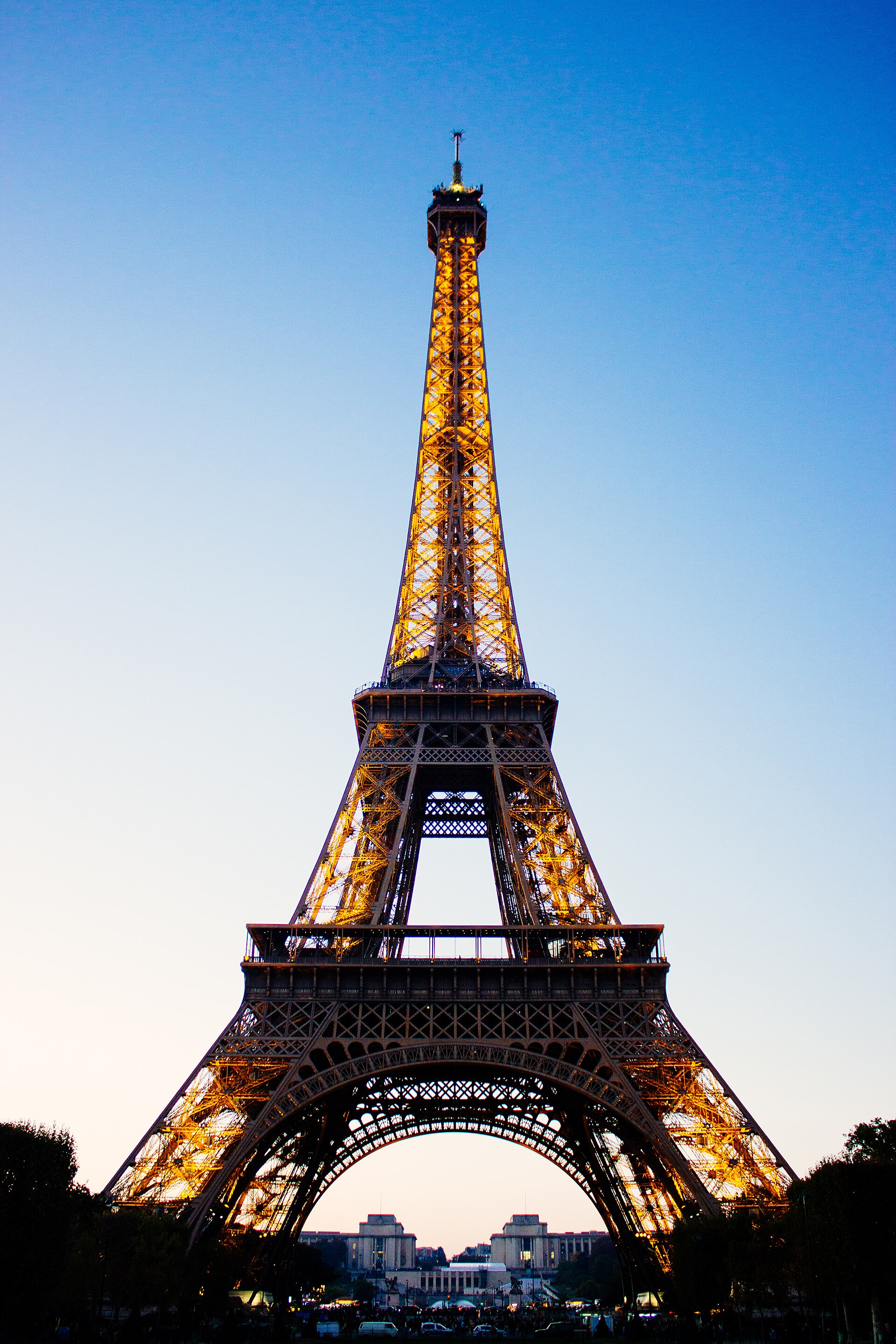
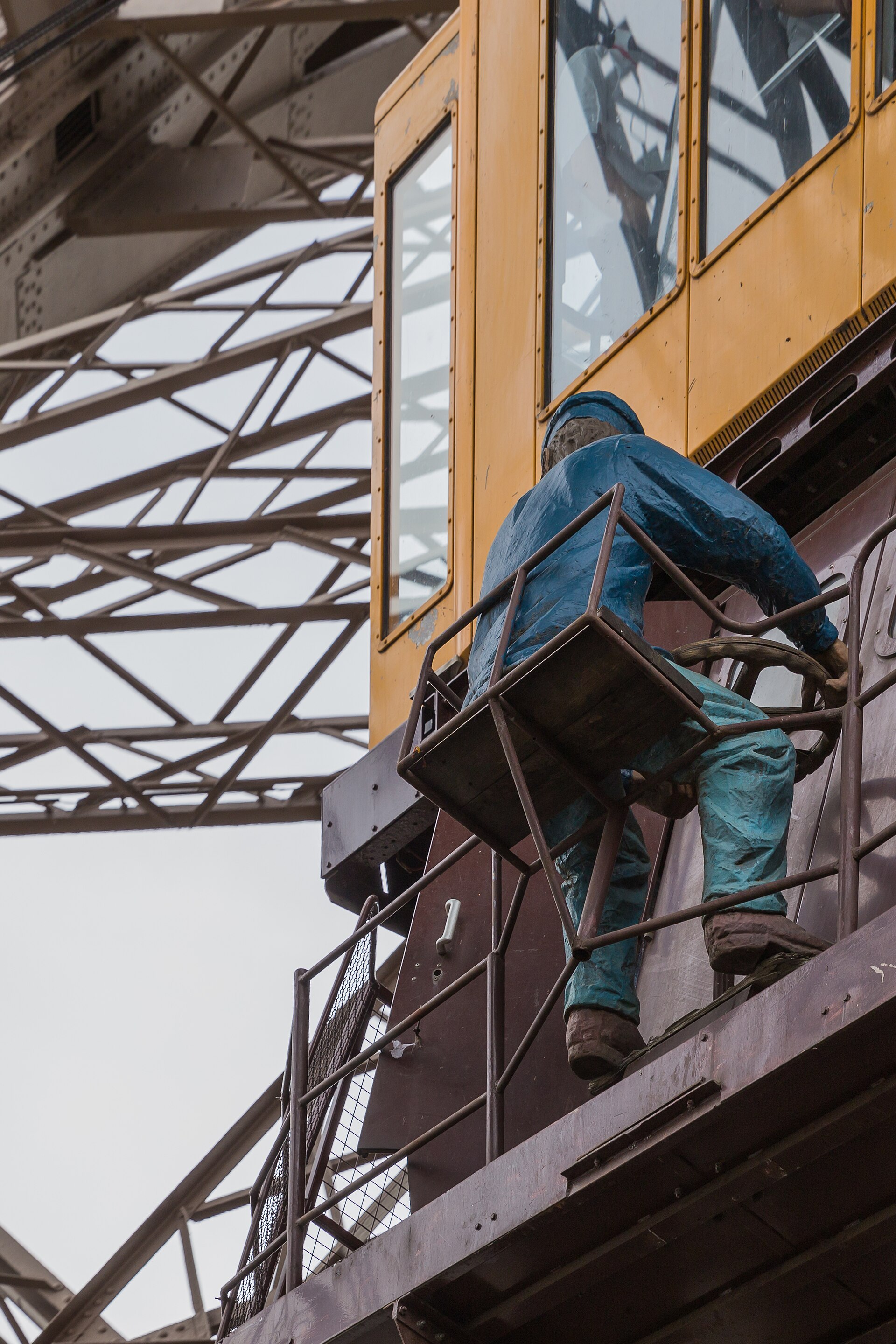
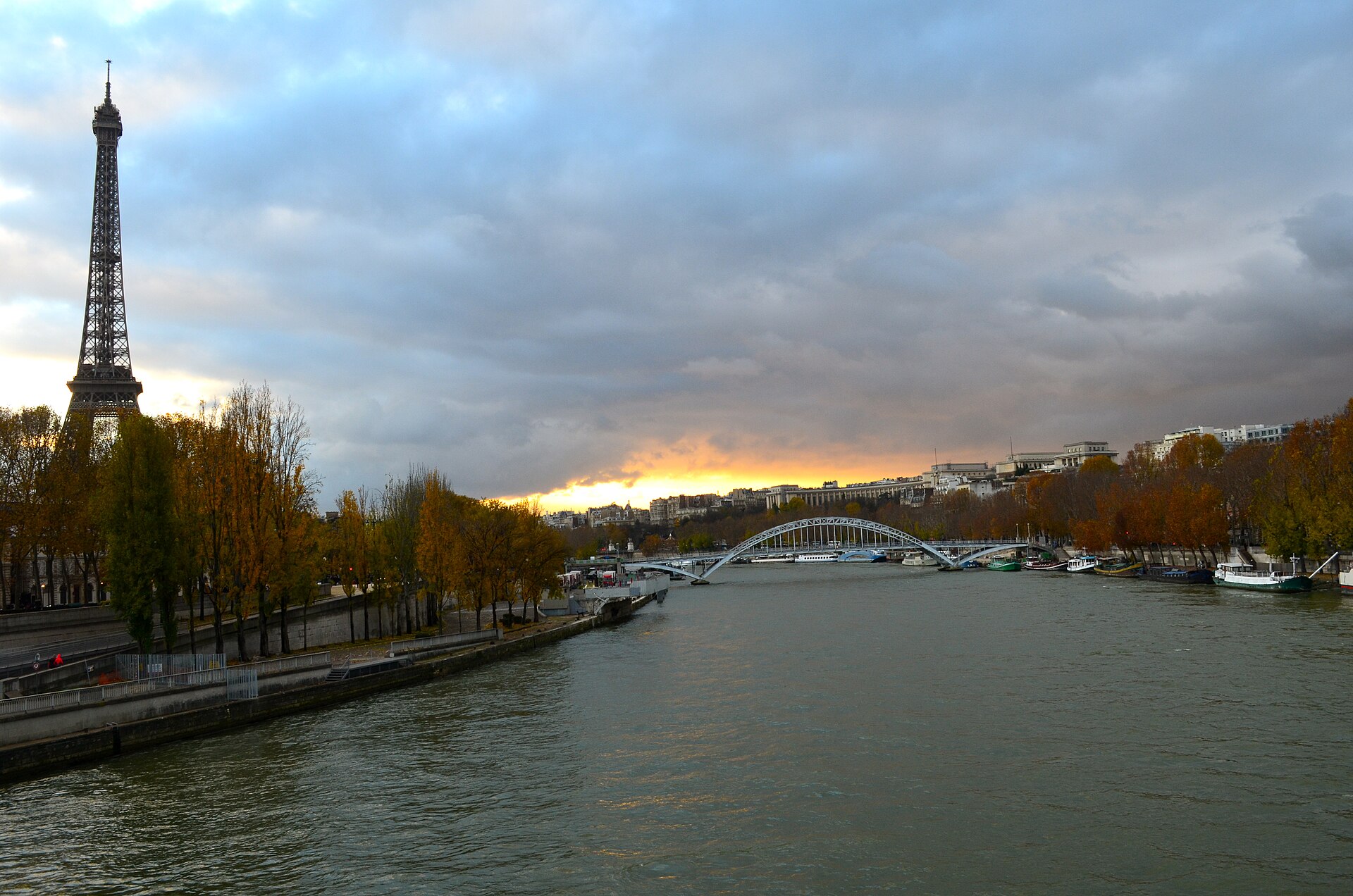
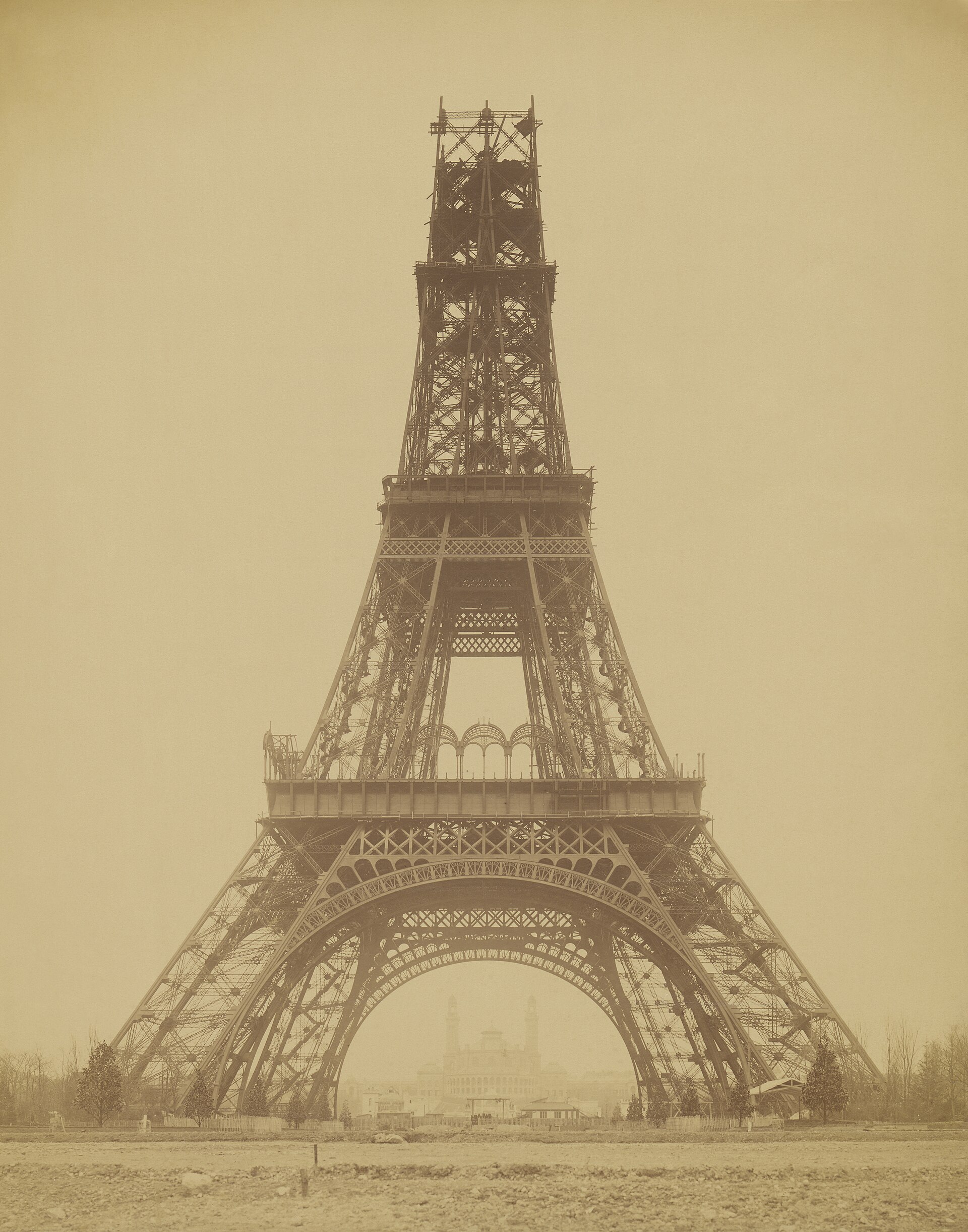
Two kinds of writing live here: close studies of Paris itself — the tower, the river, the December lights — and essays on the culture of celebration that the city has refined into an art.
Built as a twenty-year exhibition gate in 1889, hated by the artists of its day, saved by a radio antenna — the full story of how the tower happened.
Read the landmark studyA floor-by-floor guide: the glass floor, the belvedere, Eiffel's reconstructed office at the summit — and what to find in the streets around it.
Explore the levelsWhen the days grow short, the city answers with light. Notes on illuminations, window displays and the season's slow rituals.
Read the notesHow to choose a present that says something true — by listening for what a person already loves, rather than guessing at what they might need.
Read the guideFrom the réveillon table in France to candlelit markets in Germany and Japan's season of oseibo — how the world celebrates.
Explore traditionsWrapping, timing, what to write in the card, and when not to give at all — the unwritten rules that make a gift land gently.
Learn the rulesAnthropologists call it reciprocity; grandparents call it manners. A short reflection on the oldest social custom we still practice.
Continue readingWho writes this notebook, why it exists, and the simple editorial promise behind every page.
About usParis is less a place than a curriculum — every monument is a chapter, every season an assignment, and the tower is the lesson everyone takes first.
The essays collected here are deliberately unhurried. They describe documented history and real traditions — how the tower was riveted together, what each of its floors contains, how the city dresses for December, and why the smallest ceremonies matter. No catalogues, no checkout; only the habit of looking carefully.